The Boston Problem: Recovery Three Blocks From the Old Life
Boston has no shortage of sober houses. What it lacks is distance. A man can leave treatment with every intention of starting over and land in a crowded three-decker a short walk from the bar, the dealer, and the crowd he's trying to outgrow. The structure may be real; the geography works against him every day.
Twenty minutes changes that math. Far enough that the old life doesn't knock; close enough that the job, the therapist, the kids' games, and the home group stay within reach.
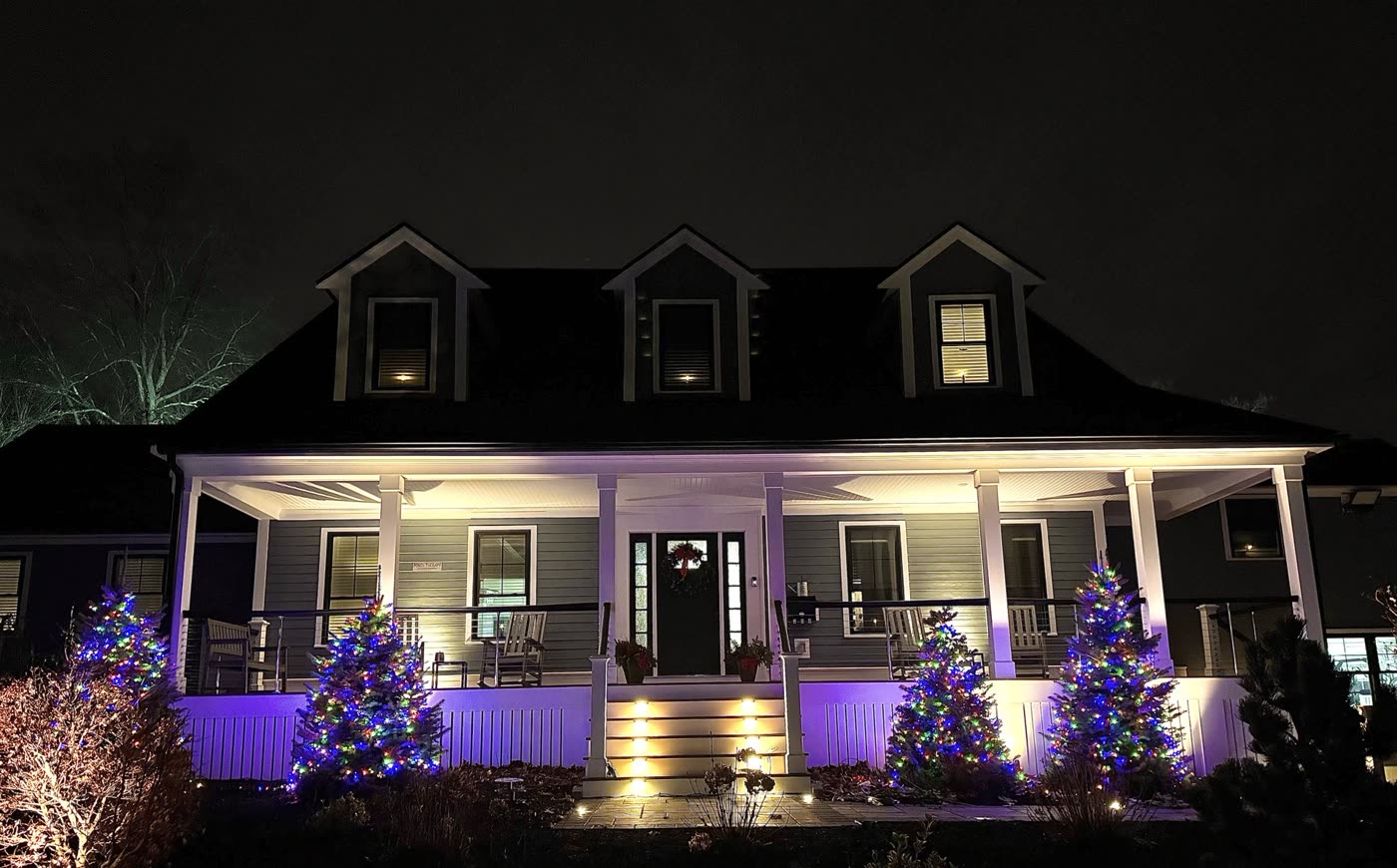
A Residence, Not a Rooming House
Abington House is a large single-family home on real grounds: thirteen bedrooms and sixteen beds between private singles and spacious shared doubles, two and a half kitchens, a home gym, a heated saltwater pool with a waterfall, fire pits, a gazebo, and a koi pond. Quiet rooms to read, think, or take a work call.
Men who grew up around Boston's western suburbs — Newton, Wellesley, Brookline, Needham, Weston — or on the South Shore walk in and recognize the standard. That recognition matters: a man does the work of recovery better in a place he respects. See the full residence on our luxury sober living page and the homepage.
Keep the Job. Keep the Doctors. Change the Environment.
Most of our residents work, and the house is built for it. Abington has its own MBTA commuter rail station on the Kingston line into South Station, and Route 3 runs straight up the coast — a man can hold a downtown job, see his own outpatient providers, and still make every house meeting and curfew.
That's the practical case for sober living near Boston instead of in it: continuity where it helps, distance where it protects. Our life after rehab page covers how men rebuild work and family routines from here.
Structure Underneath the Comfort
Comfort alone keeps nobody sober. The spine of this house is a serious 12-step culture: house meetings, curfews, regular drug and alcohol testing, outside meetings, sponsorship, and two live-in house managers present every day. Residents hold each other to it — that's the brotherhood.
We're MASH-certified, inspected against the Massachusetts Alliance for Sober Housing standards for safety, resident rights, and quality. If you're comparing homes around Boston, our guide on how to choose a sober house tells you exactly what to ask.
For Families Around Greater Boston
Often it's a parent or wife in Newton or Hingham making the calls, not the man himself. Families are part of this home from the first conversation: you'll talk to the operator, not an admissions script, and visits are arranged with the house managers once a man settles in.
Discretion is standard practice here — we share the exact address only with prospective residents and families, and every conversation is confidential. Start with our family guide, then call.
Talk With Us About a Bed
Beds turn over as men graduate to independent living, and we're often full — if Boston is part of your life and you want recovery housing that doesn't ask you to give that up, reach out early.
Call or text 617-763-2716, email DougC@TheGraduateHouse.com, or use the inquiry form on our website. The admissions page explains the process, and the cost page explains pricing.
Frequently Asked Questions
How far is Abington House from Boston?
About 20 minutes south of the city, in Abington on the South Shore. Abington has its own MBTA commuter rail station on the Kingston line, so residents can keep jobs, outpatient appointments, and family connections in Boston while living outside it.
Can a resident keep working in Boston while living at the house?
Yes — many residents do. House structure is built around men who work: curfews, house meetings, and testing are scheduled so a man can hold a job in the city, commute by car or commuter rail, and still meet every commitment of the house and his 12-step program.
Why live outside the city instead of in a Boston sober house?
Space and distance. City sober houses are usually dense multi-family buildings near the same streets and people a man is trying to leave behind. Abington House is a large single-family home with grounds — a pool, gym, and fire pit — where recovery happens away from the noise, with the city still within reach.
Which Boston-area towns do your residents and families come from?
Across Greater Boston: Newton, Wellesley, Brookline, Chestnut Hill, Needham, and Weston to the west; Quincy, Weymouth, Hingham, Cohasset, Scituate, and Braintree on the South Shore; and the city itself.
Is this a clinical program?
No. Sober living is non-clinical, peer-supported recovery housing — not detox, rehab, or medical treatment. Residents attend outside 12-step meetings and often continue outpatient care with their own Boston-area providers. We're MASH-certified.
Ready to talk to a real person?
No pressure, no pushy admissions line — just a confidential conversation about whether Abington House is the right fit, for you or someone you love.